The Masai Mara is Kenya’s most celebrated wildlife reserve. It offers open savannah, reliable big-cat sightings, and the Mara River crossings of the Great Migration. At the luxury end, a Mara safari is about more than comfort. It means quieter conservancies, small camps, expert guides, and the freedom to stay with a sighting without a queue of vehicles. This guide explains what luxury means in the Mara, what it costs, where to stay, and how to plan well.
What Makes a Masai Mara Safari “Luxury”?
The term is used loosely, so look for substance behind the label.
Location. The best camps sit in private conservancies bordering the main reserve, or in prime spots within it, close to river crossings and predator territory.
Exclusivity. Conservancies limit the number of beds and vehicles per acre. That means calmer sightings, and in many cases the freedom to go off-road or drive at night, which the main reserve does not allow.
Guiding. Top camps employ experienced guides, often from the local Maasai community, who track animals and read behavior at a high level.
Comfort and service. Expect spacious tented suites, en-suite bathrooms, private decks, excellent cuisine, and attentive staff.
Flexibility. Private vehicles, tailored schedules, and activities beyond the standard game drive.
How Much Does a Masai Mara Luxury Safari Cost?
Prices are best compared per person per day. A 2026 cost guide puts luxury camps at roughly US700to1,500ormoreperpersonperday,plusUS100 to 200 in daily park fees. The same operator notes that top conservancy camps can exceed US$2,000 per day. imaraafricasafaris
A planning guide, with all figures as rough estimates:
| Style | Approx. per person per day | 5-night total for two |
| Upscale luxury | 700–1,200 | 7,000–12,000 |
| Ultra-luxury conservancy | 1,200–2,000+ | 12,000–20,000+ |
One operator guide notes that a three-day fly-in Mara safari from Nairobi starts from about US$1,850 per person, though that figure covers entry-level options and not the top camps. Check what each quote includes before comparing. imaraafricasafaris
Understanding Park and Conservancy Fees
Fees are a significant part of the price, and they are worth understanding.
Reserve entry fees. Several 2026 sources agree that non-resident entry to the Masai Mara National Reserve is USD 100 per adult per day from January to June, rising to USD 200 per adult per day from July to December, with children aged 9 to 17 at USD 50. Some older or third-party guides still list lower figures, so confirm the current rate with your operator. Upscalelivingmag
Conservancy fees. Private conservancies charge separately, and the money goes to landowners and conservation. One guide puts these at typically USD 80 to 150 per person per night, paid directly to landowners. At luxury camps these fees are usually built into the nightly rate, but ask for it in writing. resident
Because the reserve fee doubles from July, travelers visiting in peak migration months should expect a noticeably higher total.
Reserve vs. Conservancy: Which Is Better for Luxury?
The Main Reserve
The Masai Mara National Reserve holds the famous river crossing points and is where much of the migration action unfolds.
Pros: direct access to the Mara River, large wildlife concentrations, and some excellent luxury camps on the reserve’s edge.
Cons: more vehicles at popular sightings, and stricter rules on off-road driving and night activities.
The Private Conservancies
Conservancies such as Olare Motorogi, Naboisho, and Mara North border the reserve and share its wildlife.
Pros: far fewer vehicles, off-road driving for better positioning, night drives, walking safaris, and a more private atmosphere.
Cons: you may need to drive to the river for crossings, and conservancy fees add to the cost.
Many luxury travelers combine both, staying in a conservancy for privacy and driving into the reserve for the crossings.
Best Time for a Masai Mara Luxury Safari
Timing shapes both what you see and what you pay.
- July to October: peak season, with the Great Migration crossing the Mara River. Dry weather and strong game viewing, but the highest rates, the highest reserve fees, and the busiest sightings. Book far ahead.
- November to December: short rains bring green landscapes and fewer visitors. Good wildlife and better value.
- January to March: warm, relatively dry, with excellent resident wildlife and quieter conditions. The migration herds are mostly in Tanzania’s southern Serengeti at this time.
- April to May: the long rains, with the lowest prices and the quietest parks. Some camps close and roads can be difficult.
The Mara delivers excellent wildlife year-round, thanks to its resident lions, cheetahs, leopards, elephants, and herbivores. The migration is the headline, not the only reason to go.
Luxury Camps and Lodges: What to Expect
Luxury accommodation in the Mara typically falls into three styles:
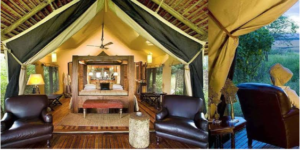
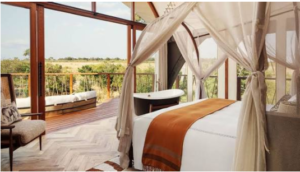
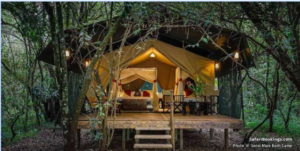
Intimate tented camps. Canvas suites on raised platforms, with real beds, hot water, and private decks. They offer the closest feel to the bush, often with only a handful of tents.
Lodges. Permanent buildings with restaurants, bars, pools, and spa facilities. They suit travelers who want a more resort-like experience.
Mobile or seasonal camps. Set up in the migration season near the river, they offer a classic safari feel with a lighter footprint.
When comparing camps, ask about the number of tents, vehicle policy, guide quality, distance to the river, and what is included, such as drinks, laundry, and activities.
Signature Luxury Experiences
- Hot air balloon safari. A sunrise flight over the plains, followed by a bush breakfast. One 2026 guide lists it at roughly $450 to $500 per person, though prices vary by operator and season. inspirationsafrica
- Private game drives. A dedicated vehicle and guide, with flexible timing so you can stay with a sighting.
- Night drives and walking safaris. Often available in conservancies, and rarely permitted in the main reserve.
- Bush dinners and sundowners. Private tables in the wilderness, with lanterns and a personal chef.
- Maasai cultural visits. Respectful, community-led experiences, ideally arranged through your camp.
- Fly-in access. A short flight from Nairobi saves hours on the road and gives you aerial views of the landscape.
Getting There and Getting Around
Most luxury travelers fly from Nairobi’s Wilson Airport to a Mara airstrip, a flight that takes about 45 minutes according to one operator. This avoids a long and bumpy road transfer and gives you more time on the ground. Luggage limits on light aircraft are strict, so pack in soft bags. imaraafricasafaris
Many travelers add a coastal extension, such as a few days on Kenya’s Indian Ocean shore, for a beach finish after the safari.
Combining the Mara with Other Destinations
The Mara pairs naturally with other Kenyan and regional destinations:
- Amboseli: elephant herds against Kilimanjaro, a popular second stop.
- Laikipia and Samburu: drier landscapes and distinct wildlife, including species not found in the Mara.
- Kenya’s coast: Diani, Lamu, or Watamu for a beach stay.
- Tanzania’s Serengeti: the same ecosystem, which is useful for following the migration across the border.
How to Choose the Right Operator
Because luxury trips involve large sums, vet your operator carefully:
- Check licensing and registration with the relevant Kenyan tourism authorities.
- Read recent independent reviews and ask for references.
- Request a detailed itinerary with named camps, not “or similar.”
- Ask exactly what is included, including park and conservancy fees, drinks, flights, and activities.
- Review cancellation and refund terms in writing.
- Confirm insurance and emergency arrangements, including medical evacuation.
- Be cautious with unusual payment requests, such as large cash transfers to personal accounts.
Practical Planning Tips
- Book early. For peak migration months, the best small camps often sell out nine to twelve months ahead.
- Stay at least three nights at one camp, so you have time to find the action and avoid rushing.
- Choose camp location with the migration in mind. Ask how far each camp is from the river.
- Pack layers. Early mornings can be cold, and afternoons warm.
- Bring good binoculars and a camera with a strong zoom lens.
- Budget for tips. Ask your operator for local guidance on guides and camp staff.
- Prepare health and entry requirements early, including vaccinations, malaria prevention, travel insurance, and visa or electronic authorization requirements for your nationality.
Conclusion
A Masai Mara luxury safari offers some of the best wildlife viewing in Africa, paired with privacy, expert guiding, and high-end comfort. Costs are significant, typically from several hundred to well over a thousand dollars per person per day, with reserve and conservancy fees adding a substantial share. The best trips come from matching the camp location to the season, choosing between the reserve and the conservancies based on your priorities, and working with a licensed operator who is transparent about inclusions. Decide whether you most want river crossings, privacy, or flexibility, and build the itinerary around that.
Fees and rates change, and published figures vary between sources, particularly on park and conservancy fees. Confirm current prices and inclusions with your operator before you book.
Key Takeaways
- Luxury Masai Mara safaris typically cost $700 to $1,500+ per person per day, with top conservancy camps above $2,000.
- Reserve fees are seasonal, generally $100 per adult per day from January to June and $200 from July to December, so peak-season trips cost more.
- Conservancy fees are separate, but are usually built into luxury camp rates.
- Conservancies offer fewer vehicles, night drives, and off-road driving, while the main reserve offers closer access to river crossings.
- July to October is peak migration season, with the highest prices and the busiest sightings.
- Fly-in access from Nairobi saves hours of road travel.
- Book early, ask for written inclusions, and choose a licensed operator.
Frequently Asked Questions
- How much does a luxury Masai Mara safari cost?
Most luxury safaris cost roughly $700 to $1,500 or more per person per day, with top conservancy camps exceeding $2,000. Park and conservancy fees may be included or added, so confirm in writing. - When is the best time for a luxury safari in the Masai Mara?
July to October is best for the Great Migration and river crossings, but it is also the most expensive and busiest period. November to December and January to March offer good wildlife with fewer crowds. - What is the difference between the reserve and a conservancy?
The reserve is the main national reserve, with the river crossing points but more vehicles. Conservancies are private areas bordering it, with fewer vehicles, off-road driving, and night activities. - Are park fees included in luxury packages?
Often, but not always. Reserve entry fees and conservancy fees may be included or listed separately, so ask for an itemized breakdown. - How many days do I need for a Masai Mara safari?
Three to five nights is a good minimum for a luxury stay, giving you time to explore properly and improve your chances of key sightings. - Can I see the Great Migration crossings in every month?
No. Crossings typically occur between roughly July and October, and are never guaranteed on a particular day. Resident wildlife is excellent year-round. - Is a hot air balloon safari worth it?
Many travelers consider it a highlight, with sunrise views over the plains. It is an optional extra with a significant cost, so decide based on your priorities. - Is the Masai Mara suitable for families?
Yes, though policies vary by camp. Some have age limits for certain activities, and children aged 9 to 17 pay reduced reserve fees. Ask in advance about family-friendly camps and private vehicles. - How do I get to the Masai Mara?
Most luxury travelers take a short fly-in flight from Nairobi’s Wilson Airport, which takes less than an hour, instead of a long road transfer. - How far ahead should I book?
For peak migration months, book nine to twelve months ahead, since small luxury camps sell out. For quieter periods, four to six months is often enough.
I can also put this in a file, or adapt the tone, audience, or target operator if you’d like. Your earlier request on private primate tours in Rwanda is also still open, and I have current permit and cost information ready, so just say the word and I’ll write it.

